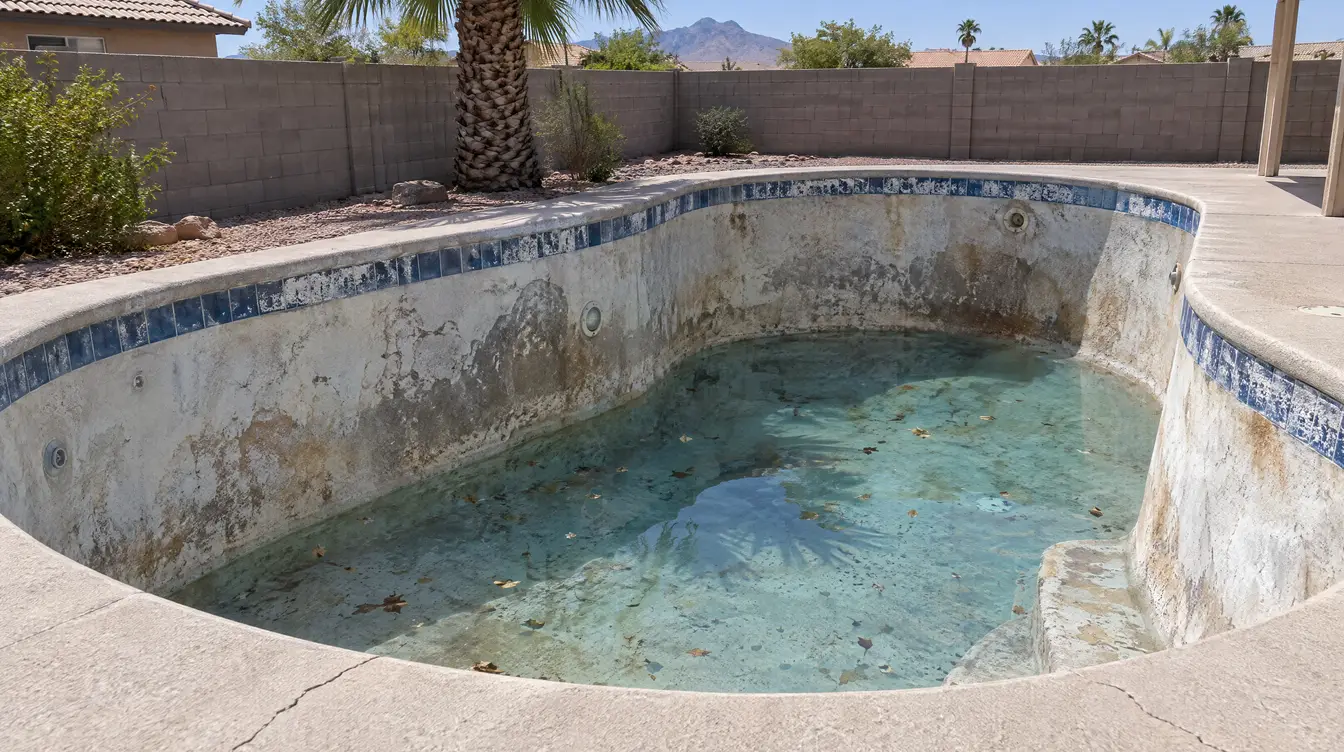
| Choice | Typical cost | Source |
|---|---|---|
| Resurface (new finish on the existing shell) | About $4,000 for white plaster to $15,000 for pebble | Our Phoenix-area cost guide |
| Partial removal (fill-in) | About $2,000 to $10,350 | Angi Phoenix: $2,600 to $10,350; HomeGuide: $2,000 to $10,300 |
| Full removal (shell broken out, hauled away, backfilled) | About $4,150 to $16,550 | Angi Phoenix: $4,150 to $16,550; HomeGuide: $4,300 to $16,400 |
Angi puts the average Phoenix pool removal at $6,198, with most jobs between $5,165 and $8,264. These are cost guide ranges, not quotes, and neither guide shows an update date.
What each choice costs
A basic plaster resurface and a typical removal land in the same price band, so cost alone rarely settles it. Quartz and pebble cost more up front but last longer here.
Partial fill-in vs full removal
- A partial fill-in breaks up the top of the shell, punches drainage holes in the bottom and fills the hole with soil. It's the cheaper removal, but Angi says a partially removed pool area isn't suitable for new buildings because of settling and drainage, and that buyers have to be told about it.
- A full removal takes the shell out and backfills the hole, which leaves ground you can build on later once the fill is properly compacted.
- If you might ever add a room, casita or garage over that spot, plan on full removal and a compaction check before anything is built.
The permit step in the Valley
- Glendale requires a building permit for pool demolition and infill. Its guideline asks for at least one 24 by 24 inch hole in the bottom of the deep end with a site inspection, an inspection of the drainage holes before filling, no debris, trimmings or yard waste as backfill, removal of above-ground pool plumbing and equipment, and a certified compaction report from a soil engineer if the area will be built on. Coping can stay; if it comes out, it goes to at least 18 inches below finished grade.
- The City of Phoenix's residential pool permit page covers building pools, not removing them. In Phoenix or another Valley city, ask your city's building or development services office what it requires before work starts, and make sure your contractor pulls the permit.
- Draining the pool comes first either way, and each city has its own rules for where the water can go.
When resurfacing makes more sense
Keeping the pool? Tell us about it and up to three licensed local contractors can quote the job.
- You still swim, or you think a buyer in your area will want a pool.
- The shell is sound and the problem is the finish: roughness, stains, etching or small chips.
- You want the longest stretch before the next job: pebble often lasts 20 to 30 years and quartz 12 to 18 years in Arizona.
When removal makes more sense
- Nobody uses the pool and you'd rather have yard space.
- You want to build over the spot later (then full removal, not a fill-in).
- The shell itself has structural problems that a new finish won't fix. A contractor's on-site look is the only way to know.
Selling soon?
A pool in rough shape comes up in a home inspection either way. Our home sale guide covers what inspectors flag and how pool repairs fit into an Arizona sale.
Where these numbers come from: City of Glendale, Permit Requirements for Swimming Pool Demolition; City of Phoenix, Residential Pool/Spa Permits; Angi, Pool removal cost in Phoenix; HomeGuide, Cost to remove or fill in a pool; Shasta Pools, which pool finishes hold up best in Arizona's sun and heat (January 23, 2026); Resurfacing ranges as cited on our cost guide. Prices are ranges, not quotes.
Common questions
Is it cheaper to fill in a pool than to resurface it?
Sometimes. A partial fill-in can cost about $2,000 to $10,350 and a plaster resurface about $4,000 to $8,000, so the ranges overlap. A full removal usually costs more than a plaster resurface.
Do I need a permit to remove a pool in the Phoenix area?
Glendale requires a building permit for pool demolition and infill. Rules differ by city, so check with your city's building office before work starts.
Can I build on top of a filled-in pool?
Not safely over a partial fill-in. Angi says that area isn't suitable for new buildings because of settling and drainage. Glendale requires a certified compaction report from a soil engineer before an area is built on.
Planning guides
- Pool resurfacing costPlaster, quartz and pebble price ranges and what moves your quote.
- Cost calculatorEnter your pool's size for a price range by finish.
- Pool replasteringHow a replaster week goes, what it costs and what to ask.
- Plaster vs quartz vs pebbleCost, lifespan and feel compared for Valley water and sun.
- Pool tile and copingWaterline tile and coping costs, and why to do them in one drain.
- Signs it's timeEight signs your pool surface is worn out, and what each one means.
- Acid wash or resurfaceWhen an acid wash is enough, and when it just delays the real fix.
- Pool remodel costFinish, tile, coping and deck in one job: ranges and licenses.
- Choosing a contractorLicense checks, written quotes, contracts and payments in Arizona.
- Pebble Tec costPebble Tec prices by pool size and line, plus the warranty.
- Best time to resurfaceHeat, the spring rush and Phoenix's refill timing, month by month.
- HOA approval for resurfacingWhat Arizona law says and what to send your HOA before the drain.
- Paying for a resurfaceCash, pool loans, home equity or a card promo: what to compare.
- Pool deck resurfacing costPer square foot prices to resurface or replace a pool deck.
- How long resurfacing takesDrain to swim: each step, what slows it and how to plan.
- Selling or buying a homePool plaster flagged in an inspection: deadlines, licensed repairs, quotes.
- Patch or resurface?Chips, cracks and hollow spots: when a patch holds and when it won't.
- Picking a finish colorWhite, gray, blue or dark: how each shade looks, stains and fades in our sun.
- Warranties and your rightsMaterial vs workmanship warranties, what limits them, and ROC complaints.
- How long a resurface lastsPlaster, quartz and pebble lifespans here, and what wears them out.
Get local quotes
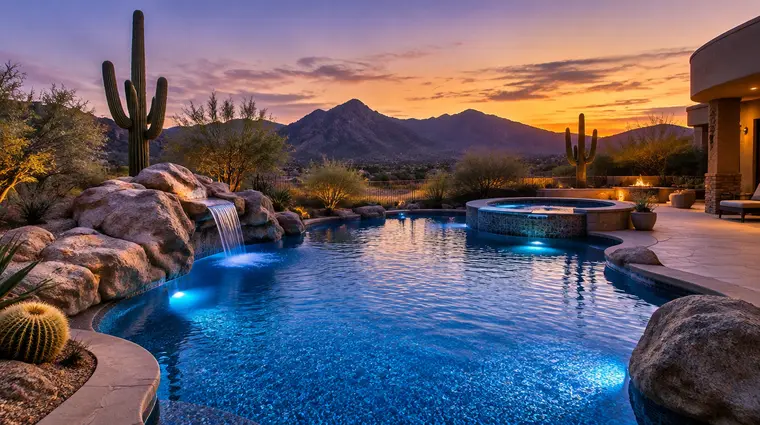
Scottsdale and Paradise Valley
Scottsdale, North Scottsdale, Paradise Valley, Fountain Hills, Cave Creek
Pool resurfacing in the Scottsdale area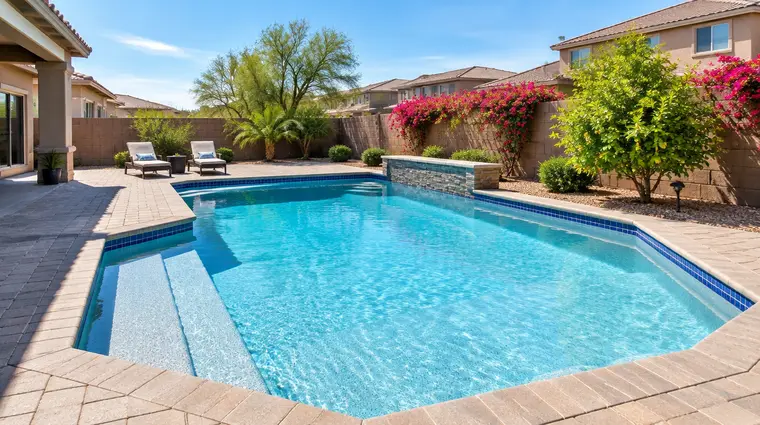
East Valley
Chandler, Gilbert, Mesa, Tempe, Queen Creek
Pool resurfacing in the East Valley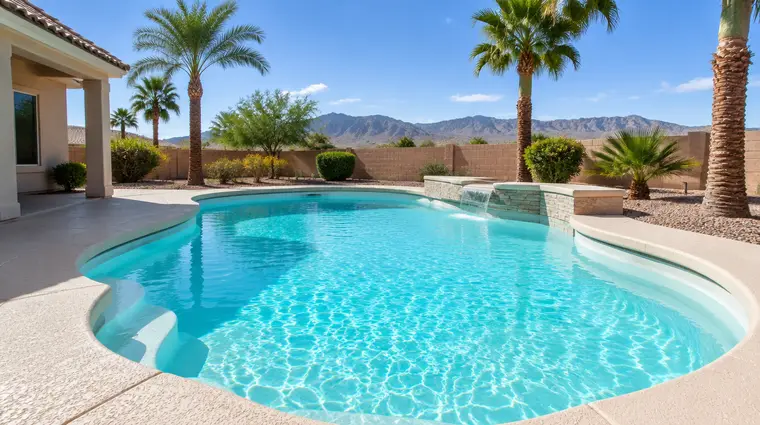
West Valley
Glendale, Peoria, Surprise, Goodyear, Avondale
Pool resurfacing in the West ValleyGet a resurfacing quote this week
Spring dates go fast, so it pays to book early. It takes about a minute to ask.
Start my free quote