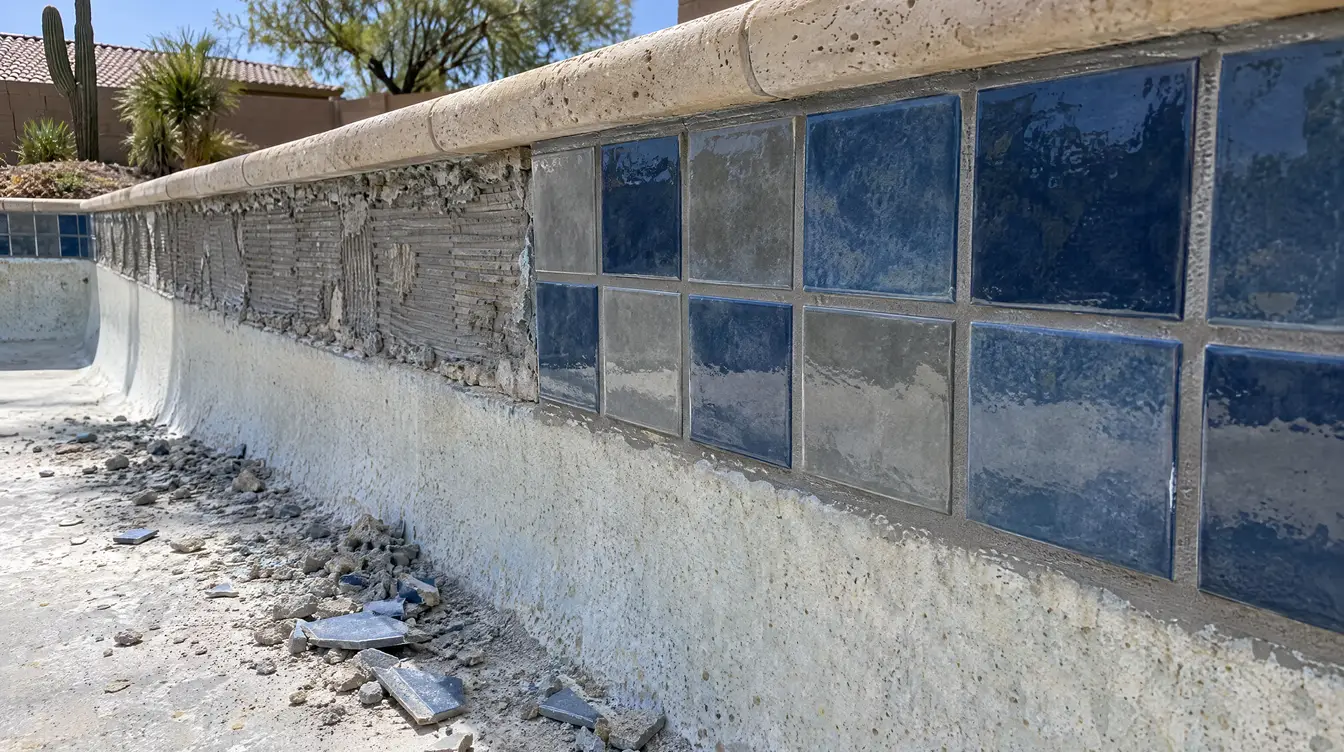
Why waterline tile goes first here
Hard water evaporates fast in Phoenix heat and leaves a white calcium line on the tile. Bead blasting can clean sound tile, but cracked, loose or dated tile is best replaced, ideally while the pool is drained.
What tile and coping cost
In the Phoenix area, waterline tile runs about $25 to $30 per linear foot, or roughly $1,500 to $2,500 for a typical pool with about 60 feet of tile, per a local builder's 2026 guide. Glass and mosaic cost more.
Coping is the cap along the pool's edge, and it's priced by the linear foot (measure around the pool once). Material sets most of the price; Pool Research's national ranges by material are listed below.
Removal of the old coping and prep of the edge are usually billed as labor on top; Pool Research puts pro labor at roughly $30 to $200 an hour depending on the job. Angi's pool remodel guide gives a single replacement figure of about $30 to $50 per linear foot. These are national numbers, not Phoenix quotes, so use them to sanity-check a bid, then go by a local contractor's measured price.
Natural stone like travertine also needs sealing: about $1 to $3 per linear foot each time, every 2 to 3 years (Pool Research).
- Poured concrete: about $6 to $12 per linear foot.
- Brick: about $25 to $30 per linear foot.
- Porcelain: about $20 to $40 per linear foot.
- Pavers: about $20 to $45 per linear foot.
- Travertine and other natural stone: about $45 to $55 per linear foot.
That white line on your tile: clean it or replace it?
That crusty white band at the waterline is calcium scale. The City of Phoenix's 2025 water quality report lists total hardness of 172 to 302 ppm (10 to 17.6 grains per gallon), and every inch that evaporates in summer leaves those minerals on the tile.
Cleaning is enough when the tile itself is fine: every tile tight, none cracked, chipped or missing, grout intact, and you still like the look. A pro takes the scale off with blasting media. Tile maker NPT says the media runs from glass bead (aggressive) to baking soda (mild), that baking soda or a similar media is usually enough and safe for glass tile, and that any method should be tested on a hidden spot first. If you have glass or iridescent tile, ask the crew which media they'll use.
Replace the tile when it's cracked, loose, hollow-sounding or missing, or when it's dated and you're draining for a resurface anyway. Cleaning won't fix any of that, and new tile goes on before the new finish, so the drain you're already paying for covers it.
What cleaning costs: a pool tile cleaning cost roundup updated Nov 6, 2026, built from contractors' published rates, puts professional tile cleaning at about $4 to $10 per linear foot, with most homeowners paying about $300 to $900. Phoenix-area and Arizona rates in that roundup run about $5.60 to $8 per foot, with minimums such as 40 feet or $600, so a small pool can still hit the minimum. Heavy scale costs more per foot.
Keeping it off after: NPT says balanced water chemistry is the key to preventing scale, along with brushing the tile weekly. It also warns against pumice stones and 50/50 brushes, which can damage tile.
Repair the coping or replace it?
A few loose or cracked pieces on a sound edge can often be reset or swapped. Simplified Pools, a Texas pool company, says repair usually makes sense when less than about a quarter of the coping is damaged and the concrete beam under it (the bond beam) is solid. Replacement makes more sense when:
- More than about a quarter to a third of the pieces are loose, cracked or missing.
- The bond beam under the coping is crumbling or shows rebar.
- Cracks run from the coping into the deck, or the edge has settled unevenly.
- The original material is discontinued and won't match.
- You're already planning a resurface.
When coping can't wait
Coping pieces that move when you step on them, exposed rebar or big gaps are worth having looked at soon, since water can get behind the pool wall. Pool Research says coping generally needs full replacement every 10 to 15 years, or sooner if it's past spot repair.
Make sure the license covers tile
Arizona's plastering license class (R-36) covers pool interiors but excludes tile. If one company is doing both the finish and the tile, check on the Registrar of Contractors' site that its license covers the tile work too, for example a B-5 or KA-5 pool license.
Why to do it with your resurface
If the coping is due, the resurface is the cheapest time to do it. The pool is already drained and the crew and equipment are already on site, which Simplified Pools estimates saves 15 to 25 percent on the coping portion compared with a separate job. Shasta Pools, a Phoenix builder, makes the same point about waterline tile: changing tile later without disturbing the new finish is extra, risky work, and on a plaster pool it may not be practical at all.
- One drain instead of two, which saves water and a second round of work.
- New tile goes on before the new finish, so the edge comes out clean.
- One crew and one schedule for the whole job.
Where these numbers come from: Shasta Pools, cost to replace pool tile (Jan 12, 2026); Pool Research, pool coping cost analysis (Michael Dean, Jan 16, 2024; national averages); Angi, how much does a pool remodel cost (2025 data); Simplified Pools (Northlake, TX), pool coping repair and replacement guide (Feb 7, 2026); Arizona Administrative Code R4-9-103 and R4-9-104, contractor license classes; City of Phoenix 2025 Water Quality Report; NPT, tile care guide; ThePricer, pool tile cleaning cost (Nov 2026). Prices are ranges, not quotes.
Common questions
Can I replace pool tile without draining?
Waterline tile work usually means lowering the water below the tile, not a full drain. If your finish is near the end of its life, it still makes sense to do both together.
Should I replace coping when I resurface?
If the coping is cracked, loose or sun-faded, the resurface is the best time, because the crew is already working the pool edge.
What is bead blasting?
A way to clean calcium scale off pool tile with blasting media, from aggressive glass bead to milder baking soda. It works on sound tile, but it won't fix cracked or loose tile.
How much does it cost to clean calcium off pool tile?
A cost roundup of contractors' published rates (Nov 2026) puts it at about $4 to $10 per linear foot, and most homeowners pay about $300 to $900. Arizona rates in that roundup run about $5.60 to $8 per foot, and many companies have a minimum charge.
Is tile included in a resurfacing quote?
Usually not. Tile and coping are quoted as separate lines, so ask for them itemized and decide on each.
How much does it cost to replace pool coping in Phoenix?
National guides put most materials between about $6 (poured concrete) and $55 (travertine and natural stone) per linear foot, with removal and prep billed as labor on top. Angi gives about $30 to $50 per linear foot as a typical replacement figure. A Phoenix contractor's measured quote is the number to plan around.
Is travertine coping worth it?
It's the priciest common option, about $45 to $55 per linear foot nationally, and it needs sealing every 2 to 3 years at about $1 to $3 per linear foot. Many homeowners choose it for its look; ask your contractor to price it next to porcelain or pavers so you can compare.
Planning guides
- Pool resurfacing costPlaster, quartz and pebble price ranges and what moves your quote.
- Cost calculatorEnter your pool's size for a price range by finish.
- Pool replasteringHow a replaster week goes, what it costs and what to ask.
- Plaster vs quartz vs pebbleCost, lifespan and feel compared for Valley water and sun.
- Signs it's timeEight signs your pool surface is worn out, and what each one means.
- Acid wash or resurfaceWhen an acid wash is enough, and when it just delays the real fix.
- Pool remodel costFinish, tile, coping and deck in one job: ranges and licenses.
- Choosing a contractorLicense checks, written quotes, contracts and payments in Arizona.
- Pebble Tec costPebble Tec prices by pool size and line, plus the warranty.
- Best time to resurfaceHeat, the spring rush and Phoenix's refill timing, month by month.
- HOA approval for resurfacingWhat Arizona law says and what to send your HOA before the drain.
- Paying for a resurfaceCash, pool loans, home equity or a card promo: what to compare.
- Pool deck resurfacing costPer square foot prices to resurface or replace a pool deck.
- How long resurfacing takesDrain to swim: each step, what slows it and how to plan.
- Selling or buying a homePool plaster flagged in an inspection: deadlines, licensed repairs, quotes.
- Patch or resurface?Chips, cracks and hollow spots: when a patch holds and when it won't.
- Picking a finish colorWhite, gray, blue or dark: how each shade looks, stains and fades in our sun.
- Warranties and your rightsMaterial vs workmanship warranties, what limits them, and ROC complaints.
- How long a resurface lastsPlaster, quartz and pebble lifespans here, and what wears them out.
- Resurface or remove the poolRemoval and fill-in costs next to resurfacing, plus the permit step.
- Check your quoteIs your resurfacing quote fair? Price, line items and contract checks.
Get local quotes

Scottsdale and Paradise Valley
Scottsdale, North Scottsdale, Paradise Valley, Fountain Hills, Cave Creek
Pool resurfacing in the Scottsdale area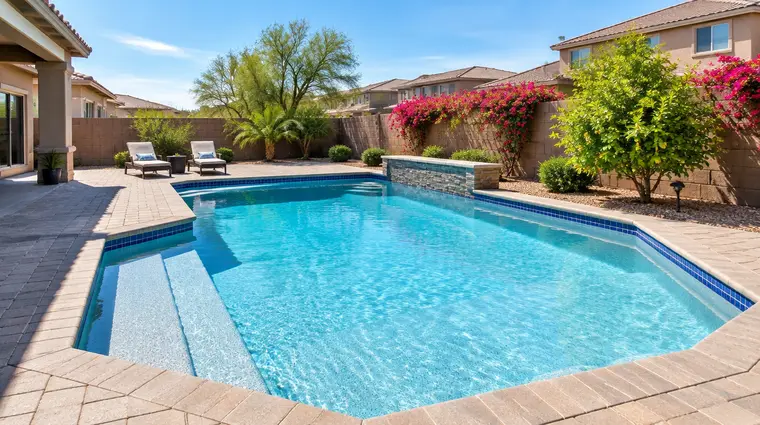
East Valley
Chandler, Gilbert, Mesa, Tempe, Queen Creek
Pool resurfacing in the East Valley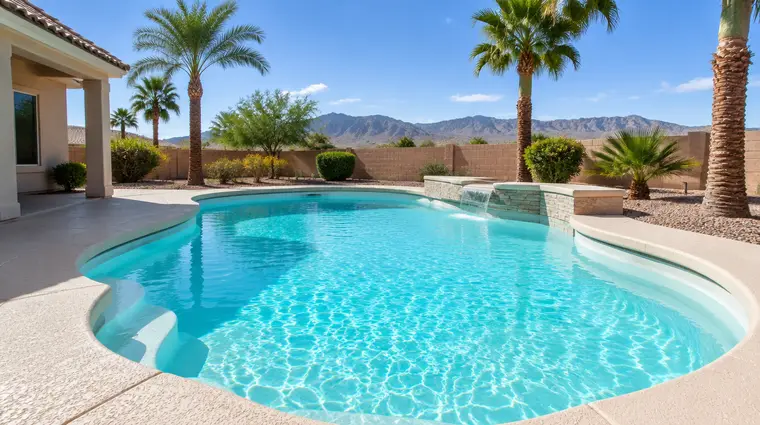
West Valley
Glendale, Peoria, Surprise, Goodyear, Avondale
Pool resurfacing in the West ValleyGet a resurfacing quote this week
Spring dates go fast, so it pays to book early. It takes about a minute to ask.
Start my free quote